
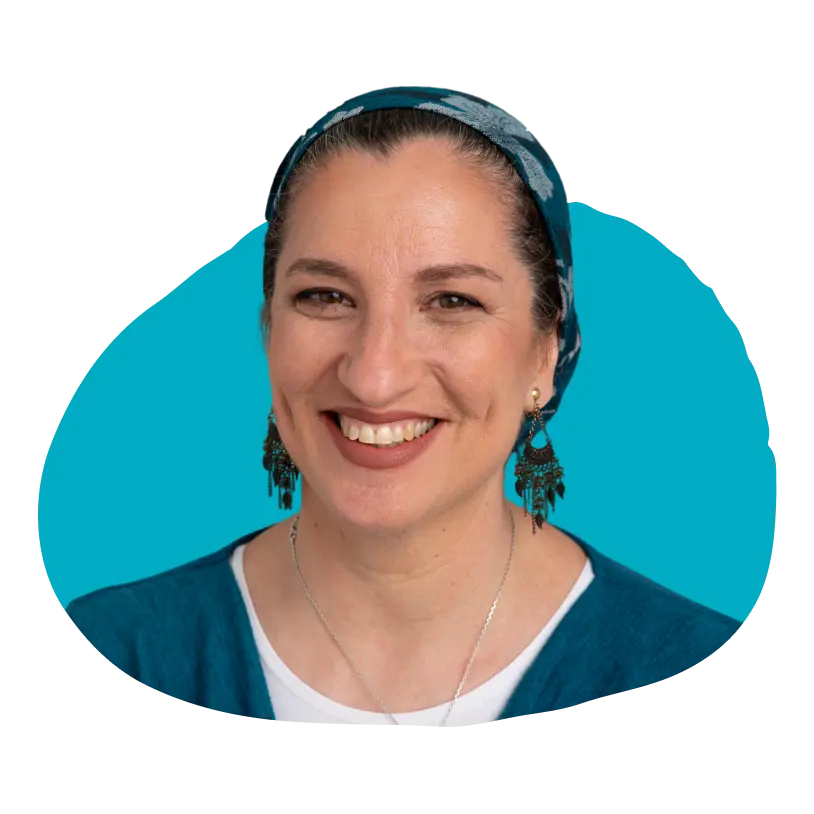
Even though I was raised in the United States, I never had to struggle to learn Hebrew: my Israeli father made sure that I could speak it like an almost-native. But when I came to live in Israel as an adult, I met so many people from English-speaking countries who became tongue-tied whenever they tried opening their mouths – despite having taken ulpan.
Seeing this, I decided to draw upon my hobby of language learning and employ a winning method that would help English speakers learn to speak Hebrew with confidence. What started as a group of four students in my Jerusalem apartment quickly multiplied into several small groups, and today we give the gift of Hebrew to thousands of happy learners in Israel and around the world.
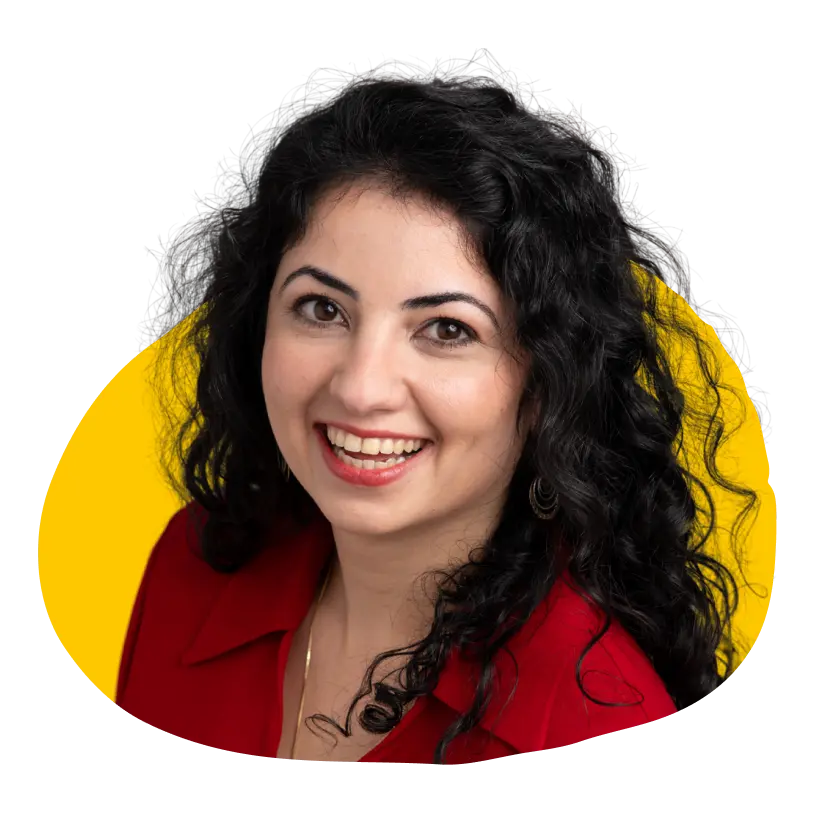
Aliza joined the team at Ulpan La-Inyan in 2015. Originally from New York and married to a real Sabra, she really understands where the olim are coming from. With her attention to every detail and care for every person she has helped thousands of students get their Hebrew journey in motion, opening hundreds of courses.
Ora holds a Bachelor’s Degree in Education and Masters in Jewish Studies. She has worked in Jewish education for over twenty years, both in the classroom and in informal settings. Ora made aliyah on her own at the age of 15 and became fluent in Hebrew, a formative event that inspired her to help others achieve the same goal. Ora has been leading Ulpan La-Inyan since 2014.

Teacher Development Coordinator
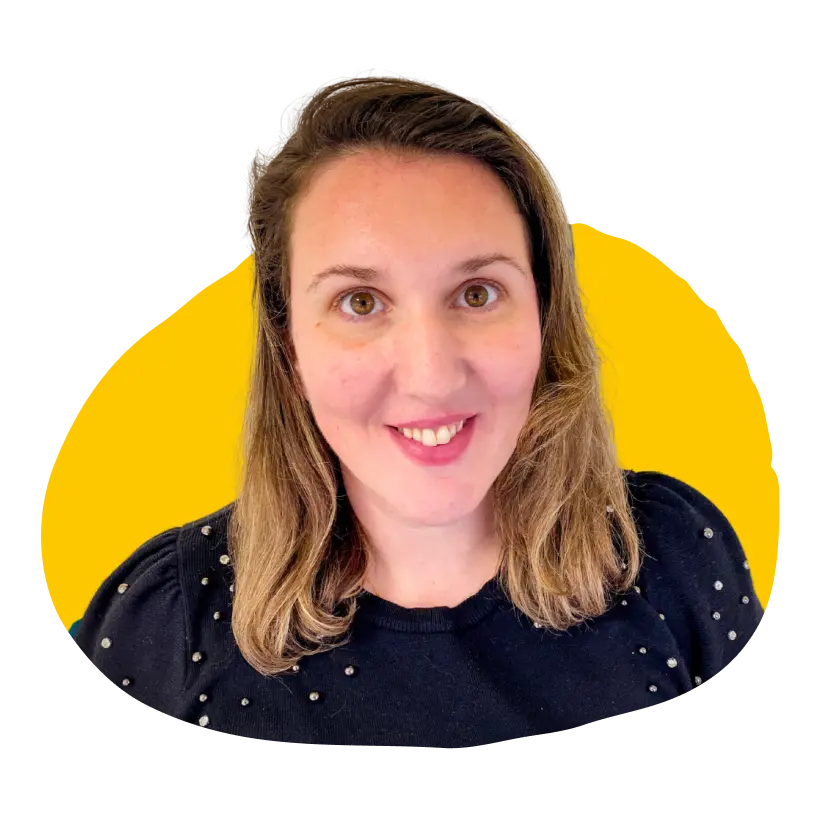
Director of Education
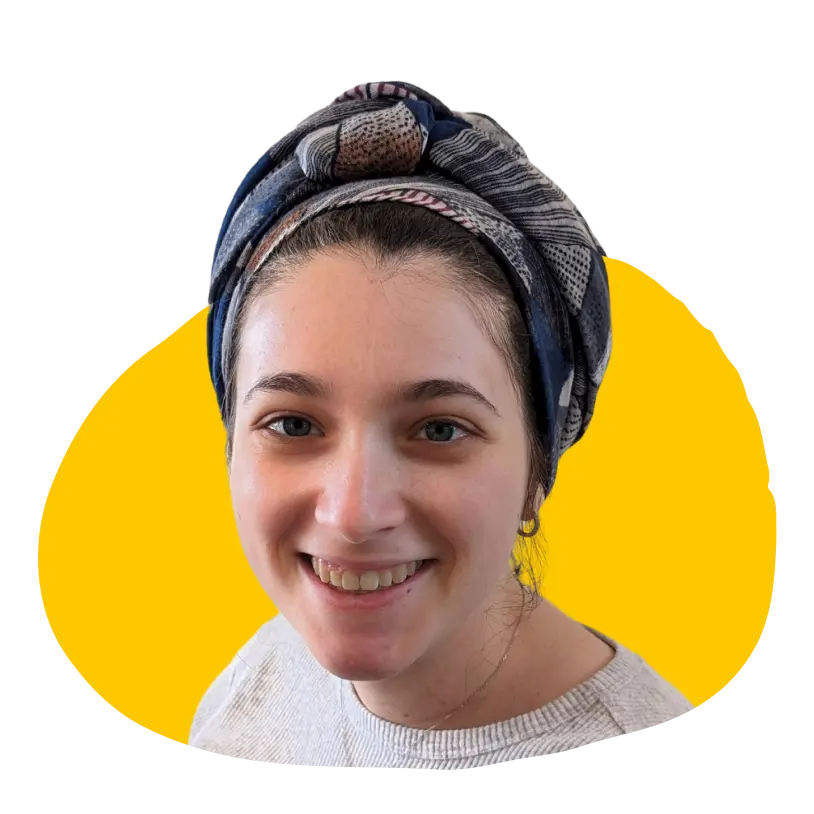
Coordinator of Custom Courses
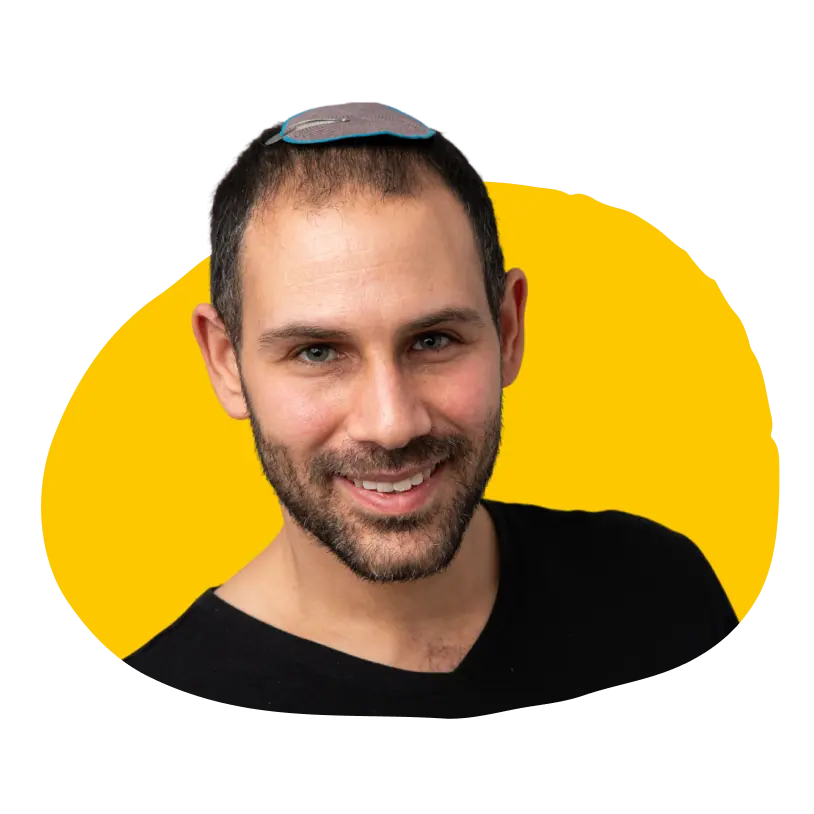
Director of Marketing
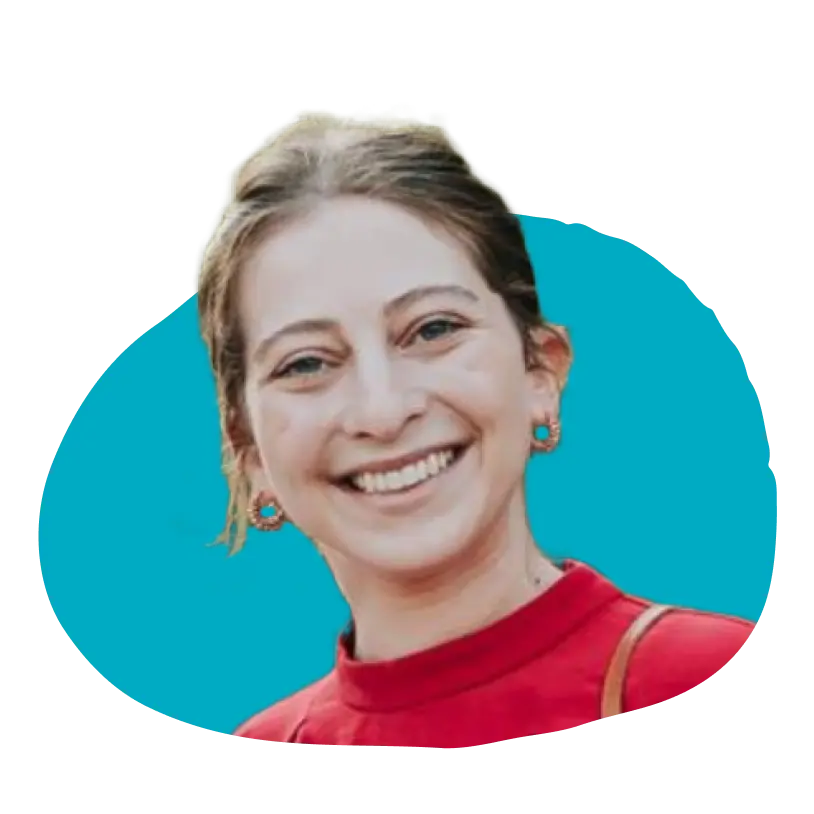
Human Resources Coordinator
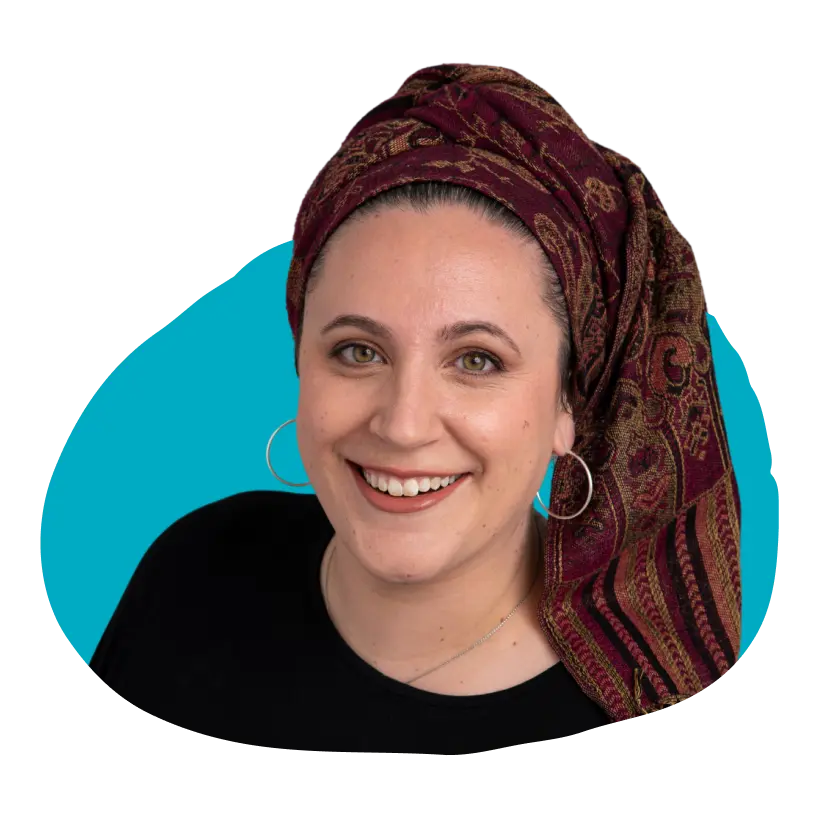
Student Success and Administration

Coordinator of Private Lessons

Coordinator of Olim Program
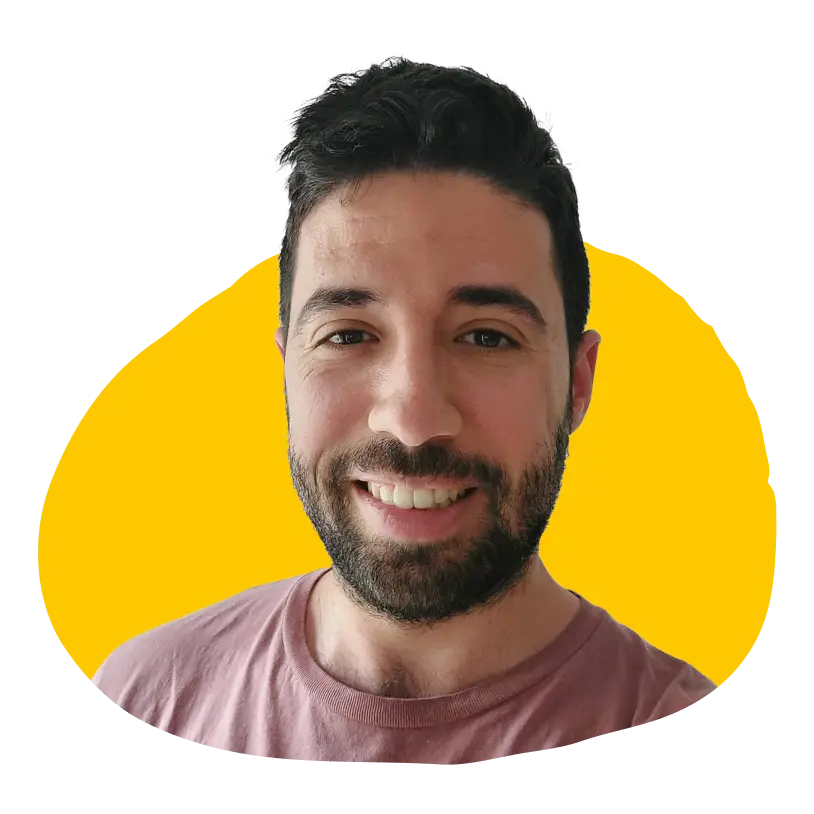
Welcomer
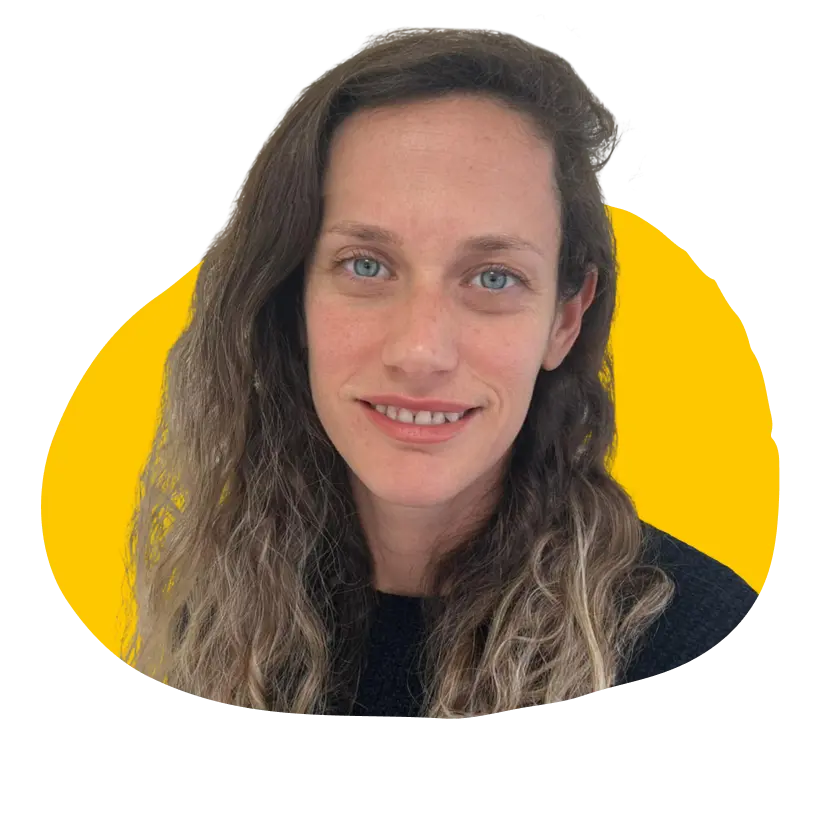
Director of Human Resources
Students learn to speak words and phrases essential for conversation.
Throughout the lessons, students are
asked to actively recall what they’ve
learned, speaking their new words and
phrases out loud.
Students are prompted to recall their new language bits at carefully-planned intervals designed to maximize long-term memory storage.
All of this takes place in the context of a
programmed dialogue between Hebrew
speakers, where the students play the
roles of the speakers.
Beyond our formal speaking-listening lessons, we conduct free-style role plays and spontaneous dialogues and discussions, employ graphics to illustrate new vocabulary, provide grammatical instruction and of course work with texts. But the focus is always conversation.
The word ulpan (אולפן) actually comes from the Aramaic word meaning the act of study. That’s why a studio in Israel is called an אולפן.
La-Inyan (לעניין) means something to the effect of straight to the point. At Ulpan La-Inyan, we work to ensure that students receive the maximum benefit of their Hebrew study, starting with being able to speak in Hebrew with confidence and accuracy.
Even though I was raised in the United States, I never had to struggle to learn Hebrew: my Israeli father made sure that I could speak it like an almost-native. But when I came to live in Israel as an adult, I met so many people from English-speaking countries who became tongue-tied whenever they tried opening their mouths – despite having taken ulpan.
Seeing this, I decided to draw upon my hobby of language learning and employ a winning method that would help English speakers learn to speak Hebrew with confidence. What started as a group of four students in my Jerusalem apartment quickly multiplied into several small groups, and today we give the gift of Hebrew to thousands of happy learners in Israel and around the world.